From Straight A’s to Struggling: The Truth About the Standard 4 Syllabus
Many parents say the same thing:
“In Standard 3, my child could cope.”
“Homework was manageable.”
“Now in Standard 4, everything feels harder.”
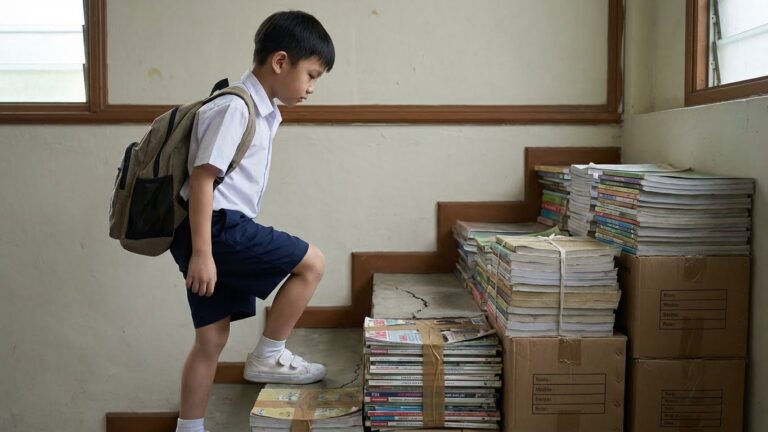
If this sounds familiar, you are not alone. For many children, the jump from Standard 3 to Standard 4 feels like hitting an invisible wall. One moment, they were breezing through homework and scoring top marks; the next, questions are longer, thinking-based, and their confidence starts to drop.
This is not laziness—and it’s not because your child suddenly became weaker. The truth is, the MOE KSSR Semakan syllabus changes significantly in Standard 4, making learning more challenging.
In this article, we’ll explain exactly why Standard 4 feels harder, highlight the subjects and skills where most children struggle, and give practical tips that parents can use to help their child regain confidence and succeed.
The “Standard 4 Slump”: What’s Really Happening?
In the Malaysian education system, Standard 4 marks the move from Lower Primary (Tahap 1) to Upper Primary (Tahap 2). This transition comes with a clear change in learning expectations.
1. From “Learning to Read” to “Reading to Learn”
In Standard 1 to 3, children focus on building basic skills:
- Reading simple texts
- Writing short sentences
- Doing straightforward calculations
By Standard 4, the Ministry of Education expects these skills to already be in place. Students must now use reading and language skills to understand content in subjects such as:
- Science
- Sejarah (History)
- Reka Bentuk & Teknologi (RBT)
Example (Maths):
- Standard 3: 45 + 27 = ?
- Standard 4: Farah has 45 stickers. She buys 27 more. How many stickers does she have altogether?
The maths skill is the same, but now your child must read, understand, and decide before solving.
2. Introduction of New Subjects
Standard 4 is also the year Sejarah (History) is introduced.
This is challenging because:
- The language used is more formal Bahasa Melayu
- Answers require full sentences
- Facts must be understood, not memorised blindly
For SJKC students, this often feels harder because the BM used in textbooks is very different from daily spoken BM.
3. KBAT Becomes the “New Normal”
While KBAT (Higher Order Thinking Skills) is introduced earlier, Standard 4 is when it becomes common.
Questions now require application and explanation, not just recall.
Example:
- Recall question: What is a conductor?
- KBAT-style question: Why is the handle of a frying pan made of plastic?
To answer well, students must:
- Understand the concept
- Apply it to a real situation
- Explain clearly using correct terms
This is where many children lose marks — not because they don’t know, but because they don’t know how to explain.
High-Weightage Topics: Where Parents Should Focus
Not all topics carry the same weight. Knowing where students often struggle helps parents guide revision more effectively.
Science: Shift from Facts to Process Skills
Science in Standard 4 focuses heavily on Kemahiran Proses Sains.
Key areas include:
Variables in experiments实验变量
• Manipulated Variable 操纵性变数
• Responding Variable 反应性变数
• Constant Variable 固定性变数
Human life processes
• Respiratory system
• Difference between excretion and defecation
Many students understand the topic but lose marks because they misuse terms or identify variables incorrectly.
Bahasa Melayu: Vocabulary and Sentence Expansion
BM expectations increase significantly in Standard 4.
Students move from simple sentences like: Ali makan nasi.
To longer, expanded sentenes like: Ali makan nasi dengan berselera kerana dia sangat lapar.
Key focus areas:
- Imbuhan (meN-, ber-, and di-)
- Sentence expansion using description and conjunctions
Why SJKC Students Face a Bigger Challenge
SJKC students learn across three languages:
- Chinese
- Bahasa Melayu
- English
Common challenges include:
- BM and English passages becoming longer and more formal
- Grammar rules becoming more technical
- Maths and Science questions requiring stronger language understanding
Important reminder for parents:
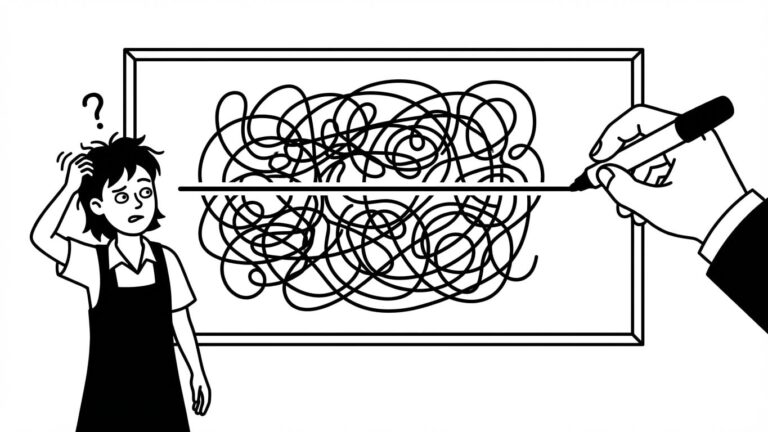
A wrong answer does not always mean your child doesn’t know the topic. Often, they understand the concept but misread key instruction words in the question.
How Parents Can Support Their Child (Without Stressing the Child)
The goal is not to overload your child with tuition, but to study smarter.
1. Bridge the Vocabulary Gap
Encourage your child to keep a simple “keyword list”, especially for Science and Sejarah. Writing down a few new formal words each day helps build confidence with exam language.
2. Practice with Purpose
At this stage, random workbooks are often ineffective. Students need practice that matches the actual KSSR assessment style.
With the introduction of UASA, students are now tested on their ability to write structured answers in Section B and C. It is no longer enough to know the facts; they must know the answering techniques (e.g., using the right keywords for Science inferences). Practice with Zekolah’s UASA-format papers to help your child get used to this new layout and learn how to answer, not just memorize.
3. Focus on “How”, Not Just “Right or Wrong”
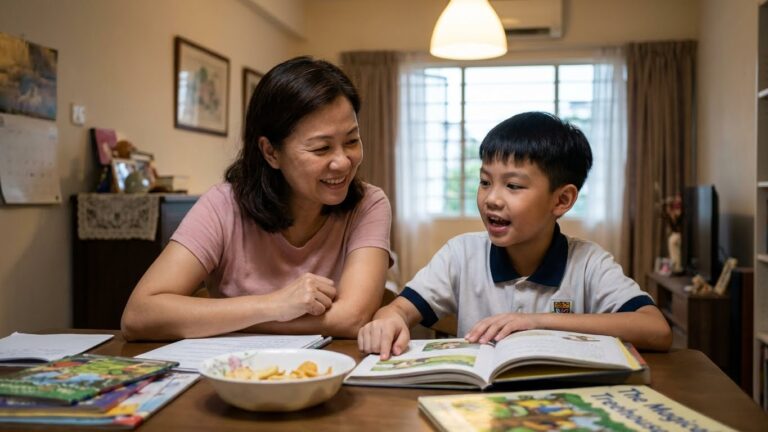
When checking homework, ask:
“How did you get this answer?”
“Which word in the question helped you?”
This builds KBAT thinking naturally.
Moving Forward with Confidence
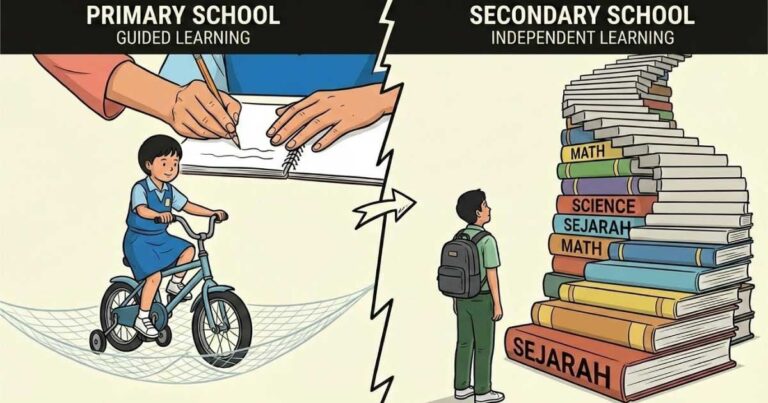
The transition to Standard 4 is challenging — but it is also an important growth phase. This is when children begin developing independent learning skills they will need in upper primary and secondary school.
Progress in Standard 4 is not about being perfect. It is about adjusting, practising, and building confidence step by step. With the right support and resources, most children find their rhythm again.