
From Playtime to Pressure: Why Your Child Struggles in Standard 1 and How to Help
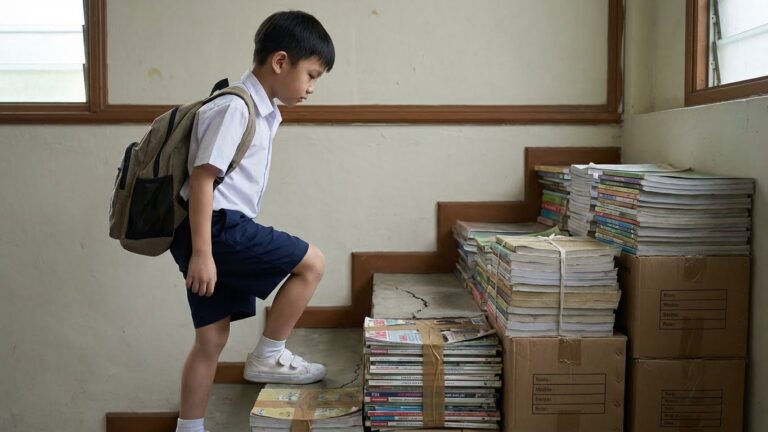
For many Malaysian parents, moving from Kindergarten to Standard 1 seems like a natural step. But for children, this shift often feels like a “culture shock.” The playful, nurturing environment of Kindergarten suddenly gives way to a structured, high-expectation world. Children who once thrived can become tearful, resistant to school, or unusually quiet.
At Zekolah, we know that academic success is built on a foundation of emotional readiness. Understanding why your child struggles—and how to support them—can transform this challenging period into a growth opportunity.
The “Big Leap”: Why Standard 1 Feels Different
Kindergarten focuses on socialization and basic literacy, with lots of play and individual attention. In Standard 1, the Ministry of Education (MOE) expects children to start learning independently, follow structured lessons, and keep up with formal assessments.
For many SJKC students, the challenge intensifies: they must juggle Mandarin, Bahasa Melayu, and English, while adjusting to more writing and independent problem-solving. Even academically ready children can feel overwhelmed.
1. The Loss of the “Safety Net”
In Kindergarten, teachers often provide one-on-one guidance. In Standard 1, a single teacher manages a class of 30 to 40 students. Children are expected to:
- Organize their own stationery
- Follow multiple instructions at once
- Keep pace with a faster timetable
This sudden independence can feel daunting and trigger anxiety.
2. Increased Academic Volume
The KSSR (Semakan) syllabus moves children from tracing letters and simple counting to composing sentences, reading comprehension, and solving arithmetic problems. The physical and cognitive demands—especially for fine motor skills—can lead to frustration and fatigue.
Common Emotional Triggers for Standard 1 Students
Understanding why your child struggles is the first step toward helping them. Some frequent triggers include:
- Performance Anxiety: Children feel compared or “ranked” for the first time.
- Social Overload: Busy hallways, crowded canteens, and older students can intimidate.
- The “Pencil Gap”: Difficulty with handwriting and homework volume can make children feel “less capable” than peers.
How Parents Can Support the Transition
Your role is to provide scaffolding while your child builds independence. Here’s how to help:
1. Create a “Bridge” Routine
Introduce small periods of structured work at home before they face it at school. Start with 15-minute sessions, using resources similar to their school books.
Advisor Tip: Zekolah’s Textbook-Aligned Exercises mirror the actual syllabus, giving children confidence through familiarity. They learn that worksheets aren’t scary—they’re just another way to practice what they already know.
2. Focus on “Soft Skills” First
Before worrying about grades, ensure your child can:
- Open food containers and water bottles independently
- Pack their school bag according to the daily timetable
- Ask for permission politely when needed
These small wins boost confidence and independence.
3. Validate Their Emotions
Instead of dismissing their concerns, acknowledge them. For example:
“I see that you’re working hard on your writing. Feeling tired is normal. Let’s finish three more lines together, then take a short break.”
This approach teaches resilience and reduces emotional overwhelm.
4. Use Targeted Academic Support
Some children may struggle with specific areas like reading or math. Consistent, low-pressure reinforcement is key. Standard 1 Past Year Papers can help parents understand expected output and focus support on weak areas, turning frustration into mastery.
Transitioning from “Learning to Play” to “Learning to Master”
The ultimate goal of Standard 1 isn’t just completing tasks—it’s cultivating a love for learning, even as the work gets harder. Children who struggle emotionally often fear falling behind in core subjects like Mathematics or Bahasa Melayu. Early, consistent support prevents them from feeling “less than” their peers.
You Are Their Best Advocate
The transition to Standard 1 is a marathon, not a sprint. The first six months are often the most challenging, and it’s normal for children to test boundaries or feel overwhelmed. By combining emotional support with practical, syllabus-aligned practice, you help your child adjust confidently.
Every child develops at their own pace. With patience, understanding, and the right tools—like Zekolah’s Standard 1 Past Year Papers and Textbook-Aligned Exercises—your child can navigate this emotional and academic shift successfully, turning a stressful change into a rewarding growth opportunity.





One Comment