Standard 1 at Age 6? KP2027 Education Blueprint Explained for Parents
If you are a parent of a kindergartner, you may have seen social media headlines like “Standard 1 at age 6?”, “New Curriculum 2027?” or “Preschool starting at 5?” It’s enough to leave any parent feeling confused. Are we rushing children into formal schooling? Or is the syllabus changing once again?
As Zekolah’s educational advisor, we’ve reviewed the official MOE documents and announcements on the Kurikulum Persekolahan 2027 (KP2027) and early-years entry age changes, so you know exactly what parents need to understand.
The Core Changes: Timeline and Entry Age
The MOE has an official page dedicated to the Kurikulum Persekolahan 2027, including downloadable policy documents and guidance from the Ministry.
From 2027 onwards, children may start Preschool at age 5 and Standard 1 at age 6 — a change announced during the launch of the National Education Blueprint 2026–2035. Importantly, this adjustment is optional and flexible, not mandatory. Parents can still choose to defer if a child isn’t ready.
This change reflects MOE’s intention to standardise early childhood education and give parents more choice about when their child starts formal schooling.
What Your Child Will Actually Learn
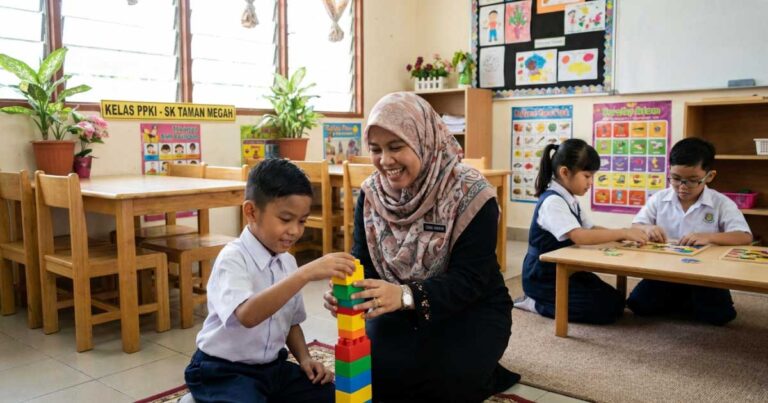
Contrary to fears of earlier formal academics, the KP2027 emphasises balanced early-years learning that includes play, exploration, and foundational skills in language and numeracy without academic pressure. This reflects MOE’s view that early education should be holistic rather than “drill-and-kill.”
This shift places character development, socio-emotional skills, and early literacy at the forefront of early learning — not formal testing.
The “Readiness” Factor: Entry Isn’t Automatic
Another official policy on the Portal KPM explains how early entry to Standard 1 works — and it’s based on readiness, not just age.
This document outlines how young children below the typical age can be considered for early entry to Standard 1 based on individual assessments and merit, not automatic placement. This aligns with MOE’s historical policy on school entry flexibility (e.g., through readiness assessments and case-by-case approval).
This means that although a child may enter Standard 1 at age 6 under the new framework, it still requires an evaluation of whether they are developmentally prepared — including social and learning behaviour readiness.
Practical Support at Home
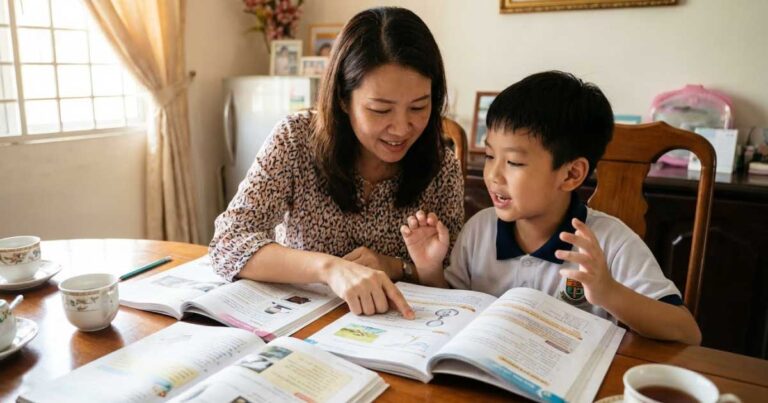
You don’t have to resort to multiple tuition classes or exhaustive drilling. The KP2027 emphasises literacy, numeracy, and confidence through structured routine and meaningful experiences.
Simple guided reading, storytelling, and short learning sessions strengthen core skills much more effectively than rote repetition. If you choose to use supplementary materials, ensure they are aligned with current curriculum expectations and focus on comprehension rather than memorisation.
This is where Zekolah’s resources can support parents without creating pressure:
- Preschool Mathematics and Bahasa Workbooks (Age 6) that build foundational skills with age-appropriate pacing,
- Standard 1 Structured, Textbook-Aligned Exercises, Past Year Papers that prepare children for the routines and expectations of formal learning,while building familiarity with learning formats rather than early testing anxiety.
These tools are designed to help your child feel confident and comfortable when they eventually transition into Standard 1.
A Final Word of Reassurance
Education changes often feel uncertain — especially when they concern young children. But the blueprint’s core message is encouraging: Malaysia’s education direction aims to nurture well-balanced learners, not push early exams.
Children need to be confident, curious, and emotionally ready before formal academic expectations intensify. Focus on readiness and positive learning experiences, and your child’s academic success will follow naturally.
Zekolah will continue to break down policy changes clearly and practically — so you always know what’s official and what’s speculation.