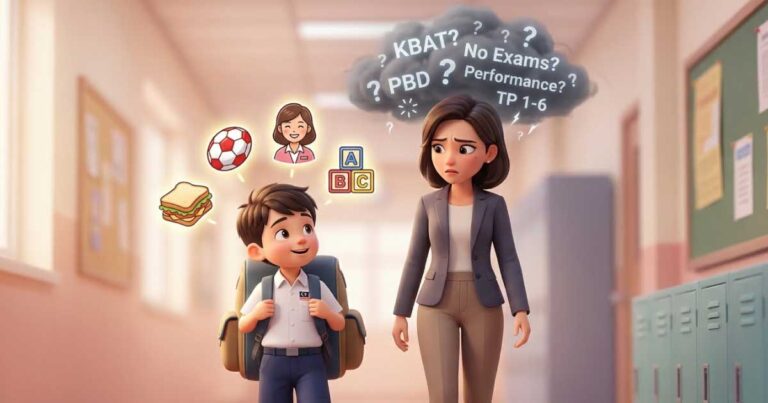
Two Teachers in One Class: What Malaysia’s New Plan Means for Your Child
Starting in 2027, Malaysia’s Ministry of Education (MOE) will introduce a new teaching method called the Co-Teaching Model. In this model, two trained teachers will teach together in the same classroom. Education Minister Fadhlina Sidek has said that both teachers will work as equal partners, not as a teacher and assistant.
Many parents are curious. Will it help students learn better? Will it improve exam results? Here is a simple explanation of what co-teaching means and how it may benefit students in SJKC (Sekolah Jenis Kebangsaan Cina), SMK (Sekolah Menengah Kebangsaan), and CIS (Chinese Independent School).
Why Co-Teaching? To Help Students Learn Better
One challenge in classrooms today is ensuring all students keep up. With two teachers, your child can get more attention. One teacher can support students who need extra help, while the other guides those ready for advanced work. This creates a balanced and personalised learning environment.
MOE believes lessons will become more active and engaging. Two teachers allow for more discussions, hands-on activities, and group work. Students move beyond memorising and start learning by thinking, asking questions, and exploring ideas.
Co-teaching also supports the 2027 curriculum, especially integrated learning subjects. For example, Alam dan Manusia (Nature and Humanity) for Standard 1 and 2 combines science, arts, music, health, and technology. For Standard 3 and 4, there will be two integrated modules: one on science, environment, and technology; another on arts, history, and geography. Two teachers make it easier to guide students and show how different skills connect.
When Will Co-Teaching Begin?
The full rollout starts in 2027 with primary students in Standard 1– 4 for integrated subjects. MOE will phase in the program based on teacher readiness and school capacity. Principals also have flexibility: if a teacher is absent, they can continue the class with one teacher or bring in a replacement.
How This Affects Exam Preparation
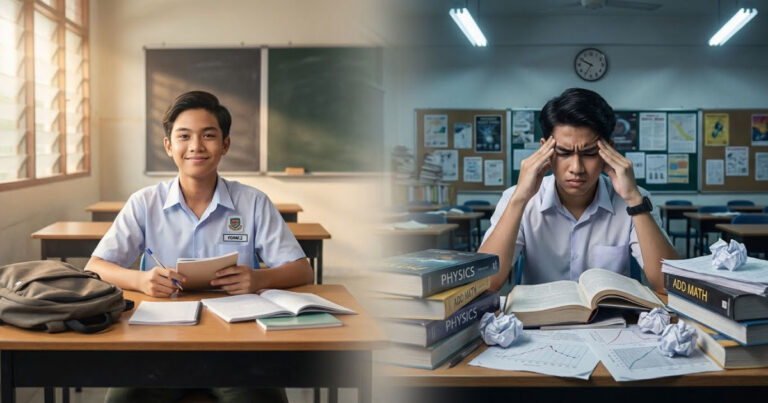
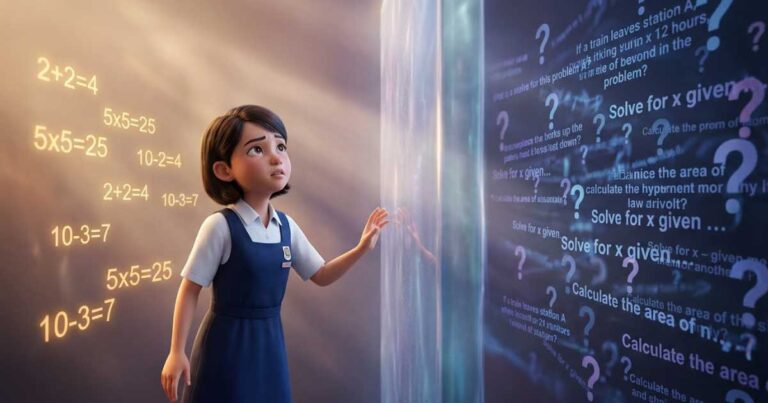
This model aligns with how exams are evolving. Modern assessments—like SPM and other local or international exams—focus on understanding, applying knowledge, problem-solving, and critical thinking, not just memorisation.
With two teachers, students have more opportunities to ask questions, join discussions, and get help immediately when confused. These interactions help develop Higher Order Thinking Skills (HOTS), a key MOE goal, helping close learning gaps and prepare students for real-world challenges.
Building Character: A Key Part of the Reform
The 2027 curriculum includes a weekly 60-minute Character Building Programme for both primary and secondary students. Instead of teaching moral values only in Moral or Islamic Education classes, character education will be woven into all subjects. Minister Fadhlina says this helps students build respect, integrity, and positive behaviour across the board.
What Parents Can Do at Home
Even with two teachers, your support is important. Here are practical ways to help your child:
- Ask “Why” and “How” Questions
Encourage deep thinking by asking, for example, “Why do you think this happens?” or “How did you find that answer?” These questions match the new classroom style and promote critical thinking.
- Use Syllabus-Aligned Practice
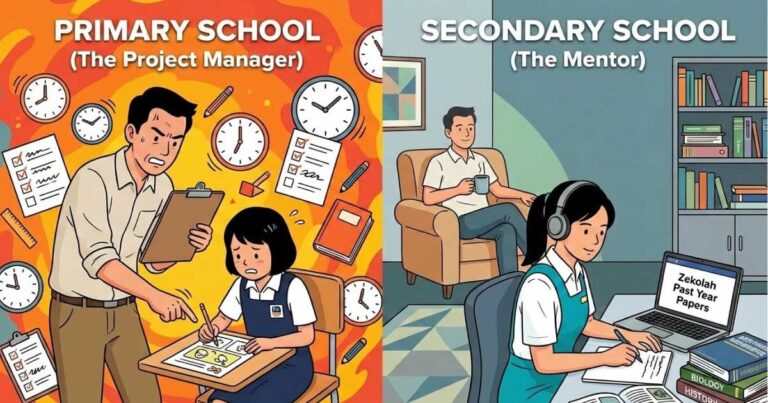
As lessons become more integrated and thinking-based, make sure your child uses materials closely following the syllabus. This strengthens foundational concepts, helps apply knowledge in different situations, and prepares students for understanding-focused exam questions.
A Note on Learning Resources
Good-quality, syllabus-aligned materials are essential. Zekolah offers exercises that match the SJKC, SMK, and CIS syllabuses. Together with past-year papers, these help students practise applying knowledge flexibly, a key skill in co-teaching. Structured support allows your child to master core concepts, build higher-level thinking skills, and stay well-prepared.
A Thoughtful Step Forward
The Co-Teaching Model is more than putting two teachers in a classroom. It reflects MOE’s vision for engaging, personalised, and value-driven learning. Parents play a vital role: by encouraging discussion at home and supporting consistent, syllabus-aligned practice, your child can adapt smoothly and benefit fully from this new way of learning.